I’m Jane Elliott—wife, teacher, writer, mother, former foster parent, and a woman learning to navigate the beautiful and brutal in-between.
Raised in chaos and shaped by the question, “What would my 40-year-old self say?”—I write to make sense of the past and to carve gentleness into the present.
This blog is part reflection, part becoming—a space for grief, grace, and growth.
One birthday, one breath, one brave word at a time.
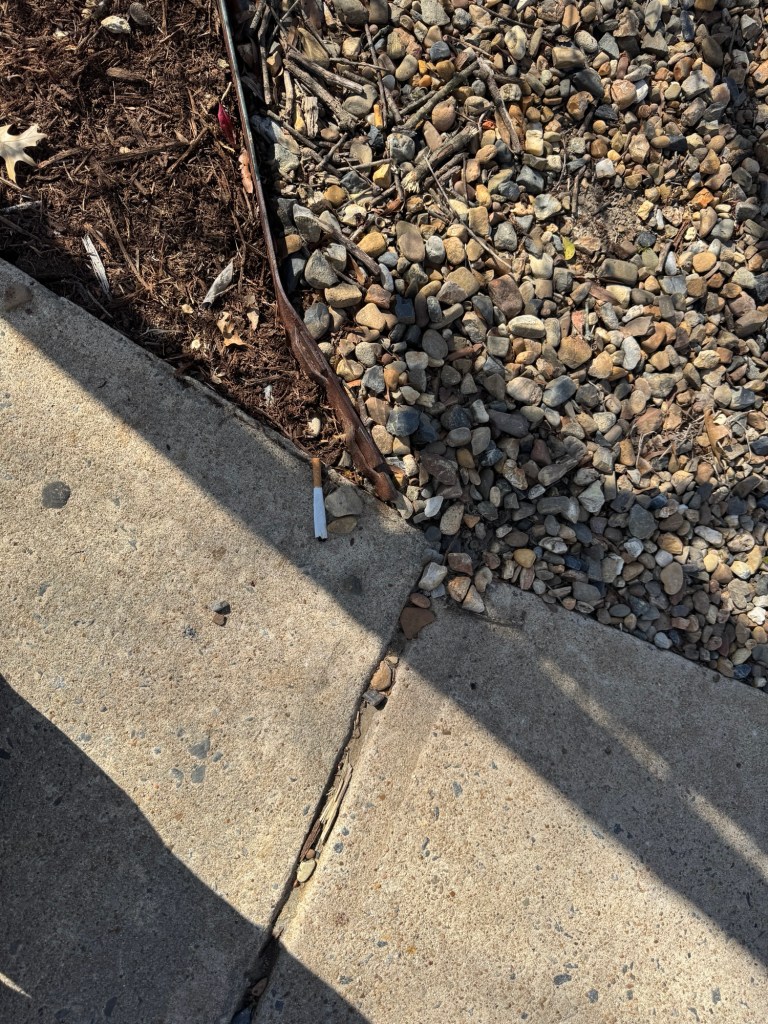
I saw a cigarette butt on the ground today. As I do many times in public….
Not just saw it— locked onto it. As I do everytime.
The filter still clean. The paper barely burned down. A “good one.”
And before I could even think, my brain did what it was trained to do:
That’s going to waste.
⸻
It’s strange, the things your body remembers before your mind has a chance to catch up.
Because this isn’t about cigarettes. It never was.
It’s about being taught—quietly, indirectly—that nothing could be wasted. That value lived in what other people threw away. That there were ways to make something out of almost nothing… if you just paid attention.
So we walked.
And I scanned the ground.
Not as a game. Not as a quirky childhood memory. But as something that felt… important.
Useful.
Like I was helping.
⸻
No one explained the full picture to me then.
No one said, “We’re doing this because addiction is expensive.” No one said, “You’re being pulled into something you don’t have the language to understand.”
They just taught me what to look for.
And I learned.
Because that’s what children do— they adapt to the world they’re given, and they get very, very good at it.
⸻
What I didn’t know is that learning doesn’t stay contained to the moment.
It seeps.
It becomes instinct.
It lives in your eyes— the way they scan without asking permission.
It lives in your thoughts— the split-second calculations about usefulness, value, waste.
It lives in your nervous system— the quiet sense that you should always be looking, always noticing, always making sure nothing is slipping through the cracks.
⸻
So now, years later, I can be standing in a completely different life— a safe one, a stable one, a life I built on purpose—
and still feel that old wiring flicker on.
That’s usable. That shouldn’t be wasted.
And almost immediately, another voice answers back:
We don’t need that anymore.
⸻
That moment—right there in between those two thoughts— that’s where healing lives.
Not in pretending the first thought doesn’t happen.
But in recognizing it for what it is:
a learned response from a version of me who was doing the best she could in an environment that asked her to grow up too fast.
⸻
There’s grief in that.
Grief for the child who didn’t get to just walk. Who didn’t get to look at the world without scanning it for survival.
Grief for the normalization of things that should have never been normal.
Because let’s say it plainly:
Children are not supposed to be taught to search for cigarette butts.
They’re supposed to be looking at bugs on the sidewalk. Cracks in the pavement. Cloud shapes. Anything but this.
⸻
And yet—
there’s also something else here.
Something complicated.
Because that child learned to notice.
She learned to read a room. To find value where others didn’t. To stay alert. To contribute in the only ways she knew how.
Those skills didn’t disappear.
They just had to be… reclaimed.
Refined.
Redirected.
⸻
Now, I still notice things other people don’t.
But instead of scanning for survival, I notice my children’s faces.
The way they reach for me without hesitation. The way they trust that their needs will be met without them having to search the ground for it.
And that difference— that quiet, almost invisible shift—
is the kind of generational change you can’t always photograph.
But you can feel it.
⸻
I didn’t pick up the cigarette.
I didn’t need to.
I just stood there for a second, noticing the thought, and then letting it pass.
And maybe that doesn’t sound like much.
But when you come from a place where your instincts were built around survival—
choosing not to act on them is a kind of freedom that’s hard to explain.
⸻
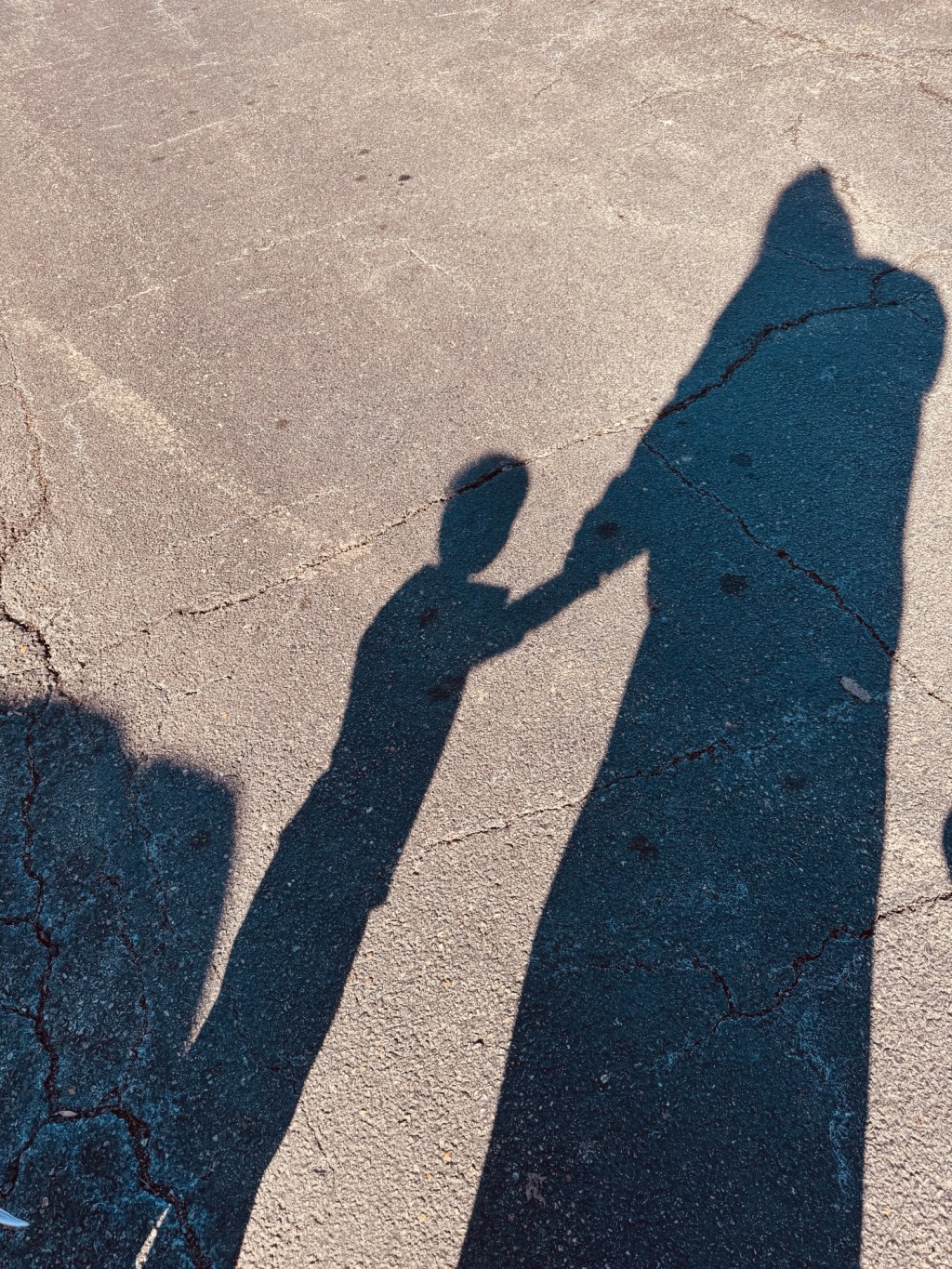
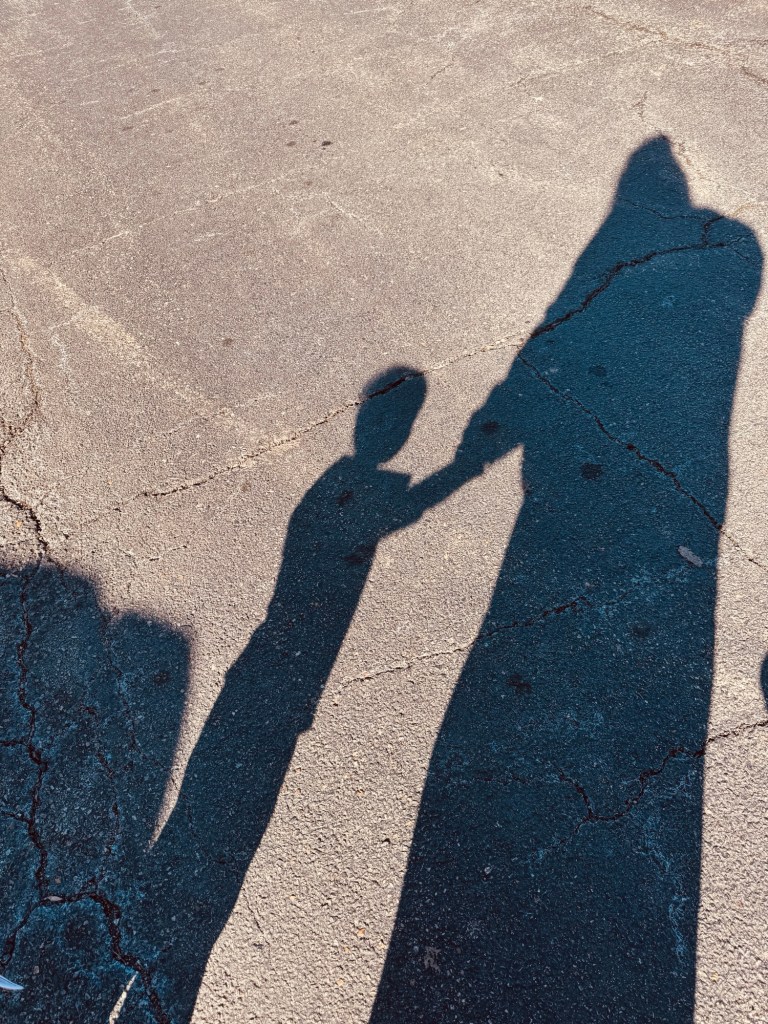
My children will walk beside me, not because they’re looking for something we need—
As spring break began, we went against every instinct I have as a mother.
We let my child be exposed to peanuts.
On purpose.
In a clinic.
With a team watching closely.
This is part of a clinical study designed to better understand and treat peanut allergies in a controlled setting.
I understood the why.
I trusted the process.
But it still felt like I was walking him toward the very thing I’ve spent his whole life protecting him from.
For his entire life, I’ve read labels like they were contracts.
Double-checked everything.
Carried the quiet awareness that something so small could cause something so big.
Avoidance became love in action.
So what do you do when love asks you to do the opposite?
You show up anyway.
You sit beside your child.
And you try to make something heavy feel light.
At one point, they wrapped him in a burrito to draw blood.
A sheet pulled snug around him—his little body the “tortilla.”
I joked, trying to keep it light.
Don’t be a chicken burrito—be a tough beef burrito.
Then I reframed it—because words matter.
A brave burrito.
And I told him gently
that even brave burritos cry when something hurts.
He trusted me.
In a place that didn’t feel natural.
In a process he didn’t understand.
And then, quietly, his body responded.
Not dramatically.
Not urgently.
Just subtle.
Easy to question. Easy to second guess.
And maybe that’s part of what led us here.
Part of why we chose to do this study was to better understand what a reaction actually looks like in a controlled setting.
Not just for answers—but for validation.
He had the equivalent of one peanut.
We’re told thresholds can vary from day to day.
What is tolerated once may not be tolerated the next.
He made it to about half a peanut before his body responded.
And on a different day, under different circumstances,
even a trace amount—something as small as cross-contamination—could cause a reaction.
Because from the beginning, his symptoms have often been brushed off.
Without wheezing, it was easy for others to question it.
At one point, a paramedic reassured me it was most likely viral.
And maybe that’s part of this story too—
learning to trust what I was seeing,
even when it wasn’t obvious to everyone else.
Because here’s what no one tells you—what this experience taught us:
Allergic reactions don’t always look dramatic.
Sometimes they whisper.
And the hardest part isn’t always the reaction.
It’s the decision.
The moment where you have to choose—
in real time—
whether to trust what you’re seeing
or talk yourself out of it.
What surprised me most wasn’t what happened.
It was what didn’t.
No chaos.
No overwhelming panic.
Just something small
that mattered anyway.
A well-managed allergic reaction can look incredibly calm.
Because as a mom, you think:
If it’s serious, I’ll know.
But sometimes it’s:
If I’m paying attention, I’ll catch it before it becomes serious.
And maybe that’s the shift.
Not waiting for it to look dramatic.
Not waiting for certainty.
But learning to trust the quiet knowing.
I paid attention.
I trusted my instincts.
I didn’t cause this.
I didn’t fail him.
I showed up in a space that felt completely backwards
and still did the most instinctual thing of all:
I paid attention.
We don’t know exactly what the next step will look like.
But we rest in what we do know.
We’ll go back next week and do it again.
Another day. Another round—peanut or placebo.
And that afternoon, we’ll place our first patch, not knowing if it holds peanut or not.
Completely blind.
Still moving forward.
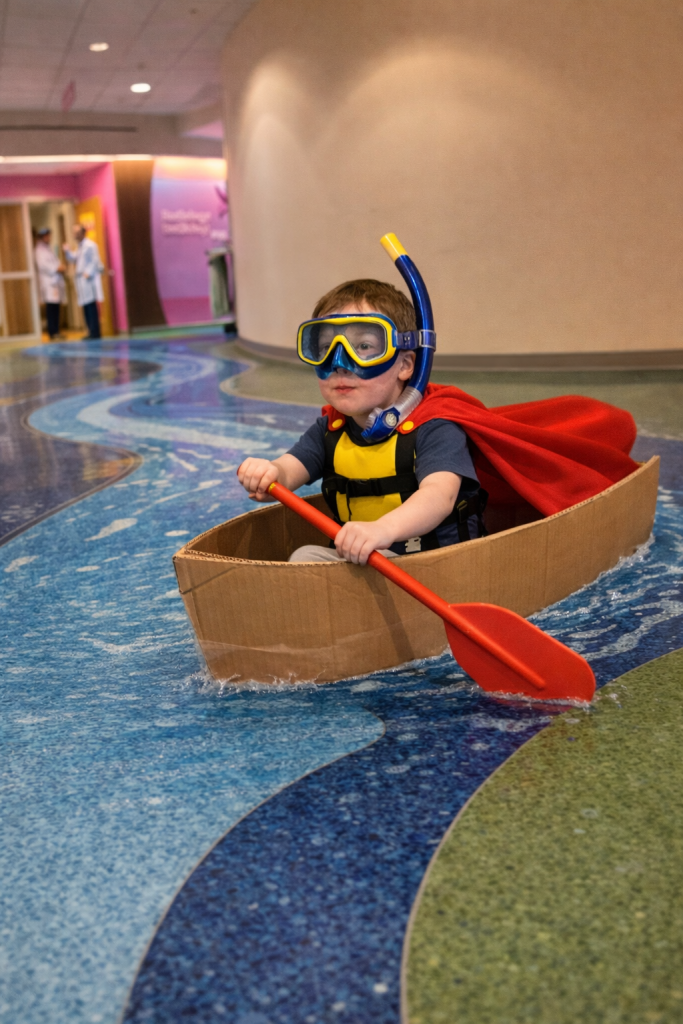
As superhero fans, we always joke that superheroes avoid research centers…
But research isn’t the part of the story anyone celebrates.
It isn’t glamorous.
It isn’t fun.
And in the moment, it doesn’t feel redeeming.
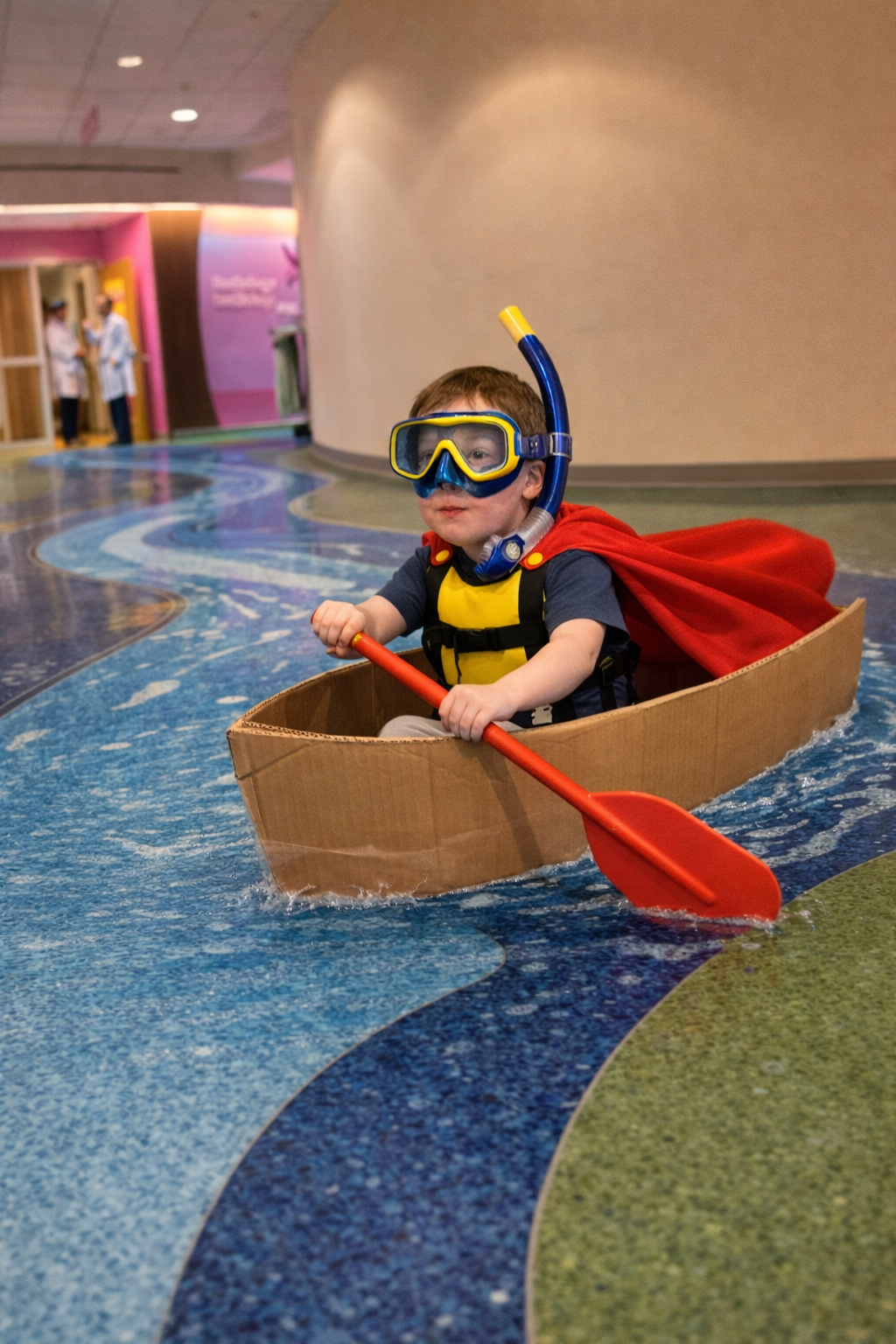
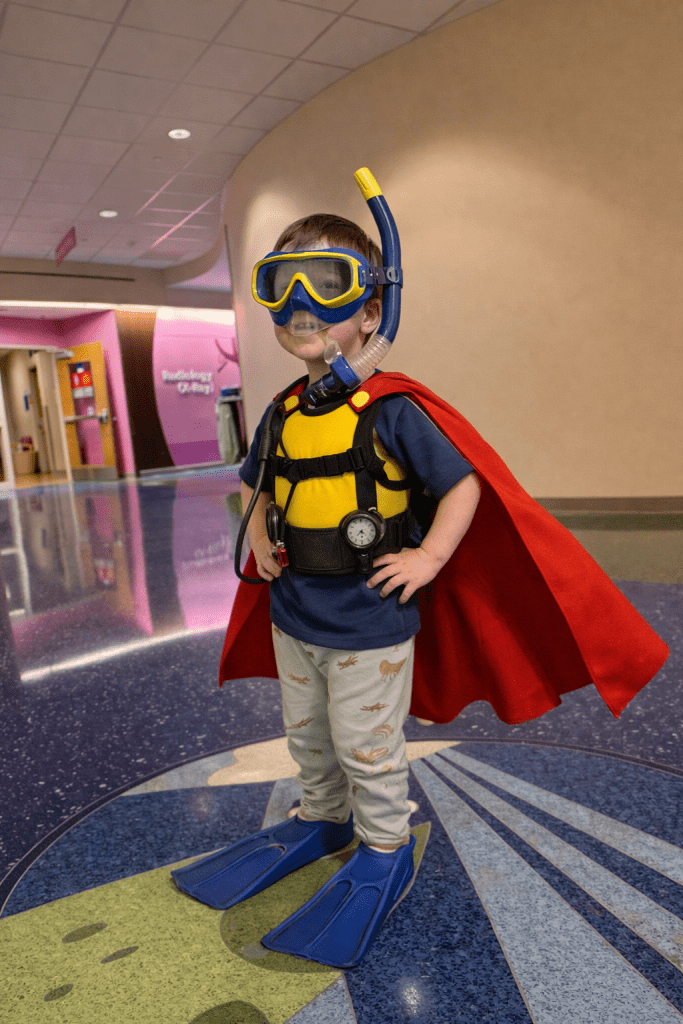
And still, my boy is a superhero.
On the way to the research center, the floor becomes a river. And for a moment, he’s not a patient—he’s just a little boy swimming through it. Cape on. Goggles down. Brave in ways most people will never see.
Fighting quiet battles no one else can see.
Changing the world—one test, one procedure, and soon, one patch at a time.
Because sometimes the real bravery isn’t avoiding the danger—
it’s walking into it together, hope in one hand and fear in the other.
Sometimes instincts are as subtle as the signs before us—
a quiet reminder to pay attention, even to the ones that don’t feel urgent.
I had more caffeine than ever before. Caffeinated, not cracked out. And for a brief, unfiltered moment, I thought, I get it.
I could use some drugs right about now too.
Not serious. Not even close. Not approval. Not permission. A mockery, almost.
Because how do you fall apart to that and add that level of chaos to children who are already at their capacity too?
We were in Arkansas Children’s Hospital again. The same hum. The same quiet, clinical tension that settles into your chest before anyone even says a word.
And then—the Ronald McDonald House.
Just a glimpse.
And something in me shifted.
No clear flashback. No vivid memory. Just a knowing.
I’ve been here before.
My baby sister. Open heart surgery.
And me—a child—standing in the beginning days of my birth mother’s addiction.
There’s a kind of stress that lives in places like that. The kind that doesn’t ask if you’re ready. The kind that doesn’t care how old you are.
The kind where you quietly learn to hold it together because someone has to.
That day in the hospital room, I realized something else.
I played with my son the same way I once played with my sister thirty years ago. Distracting from procedures. Turning clinical words into something softer, safer. Making it feel like a game when it wasn’t one.
It should have been my first time mothering through hospital complexities.
But it wasn’t.
I had done this before.
With my sister—just three years younger than me. I was the one who comforted her, held her through tears, distracted her, made sure she felt safe.
It was me.
A child turned mother long before her time.
So of course my body remembered. Of course it knew what to do when it was truly my turn—my responsibility.
What I didn’t expect was how quickly the past would sit down beside the present.
Not loud. Not overwhelming.
Just… there.
Layered in.
The child I was and the mother I am standing in the same space at the same time.
And in that overlap, something in me steadied.
Because this time, I wasn’t the one hoping someone would hold it together.
I was the one who could.
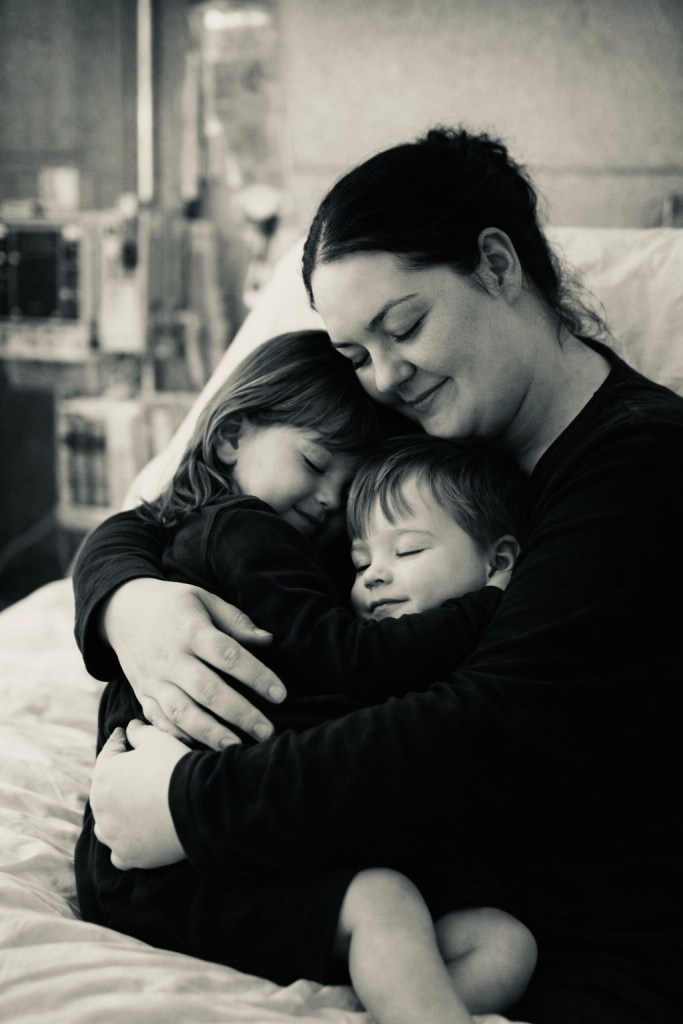
As I comforted my son, I realized I was parenting two children in that moment—him, and the motherly child within me.
Me-Myself-My Son
That wasn’t yours to carry.
I’m sorry that was placed on you when you were just a child.
You did so good.
Your 40 year old self is so proud of you.
And thank you—for preparing us for this. For here. For now.
Because my children—the ones we dreamt of protecting and providing for, the ones who first inspired us to break generational cycles before it was ever our job—benefit greatly from the care you gave then, as I reshape it, remodel it, and fit it to meet their needs now.
I heard myself say, It’s just one moment. It’s just one day. It will get better.
To him. To the room. To myself.
And with that clarity came something heavier.
The disgust. The distaste.
For a birth mother who chose herself—her comfort, her capacity—over the children who didn’t have a choice at all.
Because now I can see it. I can feel the pressure. The overwhelm. The edge of this is too much.
I can understand how someone gets there.
And still—I cannot fathom the choices she made.
I can see the path.
I just didn’t take it.
Yesterday, I was stretched. Overstimulated. Overcaffeinated. Holding more than felt reasonable.
And still—I chose him.
Every time.
I translated fear into play. I turned language into comfort. I held the line.
Because I remember what it felt like to be the child in that space, absorbing everything with no control over any of it.
Understanding how doesn’t require accepting what.
I understand the weight now.
I just don’t understand leaving it on a child.
My baby boy cried for me as I stood beside him, able to comfort him.
In the same way I once cried. My sister cried out for our mother.
The difference is she was checked out.
She chose herself—her needs, her preferences—then, and she still does.
On marriage, illness, and learning to love without control.
In my best Paul Revere voice, I whisper it to myself.
Treatment is coming….
Treatment is coming….
Another day. Another season of stiff body, clenched jaw, guarded steps. Another season of watching the man I love move like every muscle is negotiating its own surrender.
I opened our home to family during the roughest stretch. Not because we are incapable. Not because we are dramatic. But because sometimes love needs witnesses. Sometimes you need other eyes to confirm what you are seeing.
His body is failing him in small, stubborn ways. He hobbles from room to room. He winces. He steadies himself on countertops. Everyone in the house walks on invisible eggshells, not sure when he will fall. Not if. When.
And still, he refuses to rest.
He says he wants to help.
He says he does not want to abandon me.
But he does not see that watching him push past obvious pain feels like abandonment too.
There is a particular heartbreak in loving someone who will not let you love them back.
He serves me the only way he knows how. Laundry. Dishes. Floors. Tangible evidence of devotion. Wet dishes in the sink have become a love language in this house. Many women would say I should be grateful. Many would say they would give anything for a husband who labors.
And I am grateful.
But gratitude does not erase grief.
In sickness and in health, I vowed. I thought that meant I would care for him when he had the flu until we were old and grey.
I did not realize it would mean watching him refuse weakness altogether.
Loving someone through illness is not just about bandages and soup. It is about surrendering control of outcomes. It is about sitting with the helplessness of knowing rest could help, yet being unable to make him choose it. It is about loving him as he is, not as I wish he would be.
His OCD meets my ADHD in the middle of illness and chaos. He needs things finished, closed, exact. I live in half-done piles and creative survival. The laundry may be washed and folded but rarely put away. The dishes may be rinsed but not stacked with precision. It is not his way.
But it could be enough.
If he would just sit down.
If he would trust that I can hold the house together imperfectly while he heals.
Treatment is coming. That is what we keep saying. It promises relief. It promises possibility. It whispers of a future where his body softens and the tension leaves his shoulders.
But hope has weight when you have carried it for too long.
What if not this time.
That fear lives quietly under my ribs. Not loud enough to drown faith. Just steady enough to make it tremble.
I am learning that loving someone through illness is not dramatic or cinematic. It is ordinary and relentless. It is surrendering the illusion that if you pray hard enough, manage tightly enough, or serve fiercely enough, you can secure the ending you want.
It is asking God to make you new too.
Not stronger. Not tougher. Not more patient.
Just new.
Treatment is coming. That is what we tell each other when the nights feel long and the house feels heavy. It is not denial. It is not blind optimism. It is the thin thread of hope we keep choosing to hold.
I do not know what this treatment will change. I do not know how much relief it will bring or how long it will last. I only know that in sickness and in health was never about guarantees. It was about staying.
So I will stay.
I will fold the laundry imperfectly.
I will leave the dishes where they land.
I will ask him to sit down again tomorrow.
I will keep loving him in ways that feel unfinished and human and real.
This post may contain affiliate links. As an Amazon Associate, I earn from qualifying purchases.
We were shamed, punished, and guilted into compliance, often starting as early as potty training. Control was normalized. Fear was framed as discipline. Obedience was mistaken for connection.
I remember spanking my little sister while I was “helping” potty train her, because that’s what had been modeled for me. I didn’t know another way.
In my early bonus mom years, control was still my goal. I thought success meant compliance.
And then I learned better.
“When you know better, you do better.”
I’ve forgiven myself and the generations before me, but I refuse to stay quiet about what healing parenting can look like.
Because when I parent alongside friends and adoptive family now, I see how easy it is to unconsciously repeat what we were taught, the good and the bad. Not because we’re bad people, but because patterns run deep when no one ever showed us another way.
Therapy changed me. Access to better resources changed me. Watching regulated, respectful families changed me. Community changed me.
And maybe someone reading this hasn’t realized yet that a change is even possible.
So here’s what potty learning looks like in our house now.
• We prioritize nervous system safety over speed.
• We do not call body learning an accident. Bodies learning how to function is biology, not failure. We meet it with curiosity, questions, and discovery.
• When pee hits the floor, we don’t shame or panic. We pause, get curious, and ask, “What happened in your body? What do we try next?”
• We reject shame language around bodies. There are no “accidents” here, only nervous systems learning cause and effect in real time.
• We don’t shame bodies for doing body things.
• We protect adult regulation so we can co regulate our kids.
• We use tools that reduce stress instead of creating it.
• We celebrate progress, not perfection.
• We let go of power struggles and choose connection instead.
I’m intentionally moving away from charts and candy as motivators. At two, teaching extrinsic motivation can quietly slide into control, and that’s something I’m actively unlearning. That said, humans are wired differently. Some nervous systems genuinely benefit from external structure and reinforcement. I try to stay humble enough to never say never, because the moment I do, life usually laughs and teaches me otherwise.
If a chart were needed, this is the style I would use. It’s reusable and more environmentally friendly than disposable sticker charts, which matters to me:
👉 “I Can Do It!” Potty Chart Toilet Training System
Potty learning is not glamorous. It is bodily fluids, tiny humans learning cause and effect, and grown adults discovering sensory limits they didn’t know existed. If you can tolerate bare bottom time, it’s one of the most recommended ways to build body awareness. Full disclosure, body fluids give me the ick, so I personally opted out. Boundaries matter too. 😂
Long before we ever officially trained, we used the toddler potty simply to practice sitting. As soon as they can stand and sit, they are usually following you to the bathroom anyway. Give them a seat. Fully clothed. No pressure. Just familiarity. Later, when it is time to actually use it, the environment already feels safe and known instead of intimidating.
If you’re curious, this is the toddler potty we used for early sitting practice and comfort building:
What really hooked my son was seeing potty learning modeled in his shows and books. Ms Rachel. Daniel Tiger. Silly Miss Lilly. Elmo. Random potty books on YouTube. It honestly feels a little like gentle brainwashing. But the helpful kind. 😜🤭
We started with offering potty tries about every thirty minutes. Not rigid. Not militant. Just rhythm. We also aimed for a potty try about ten to twenty minutes after meals, because bodies naturally like to move things along then. Science and snacks are friends. 💩
Sometimes it helps to have a gentle reminder built into the day so it doesn’t all live in your head. These tools cue rhythm without pressure:
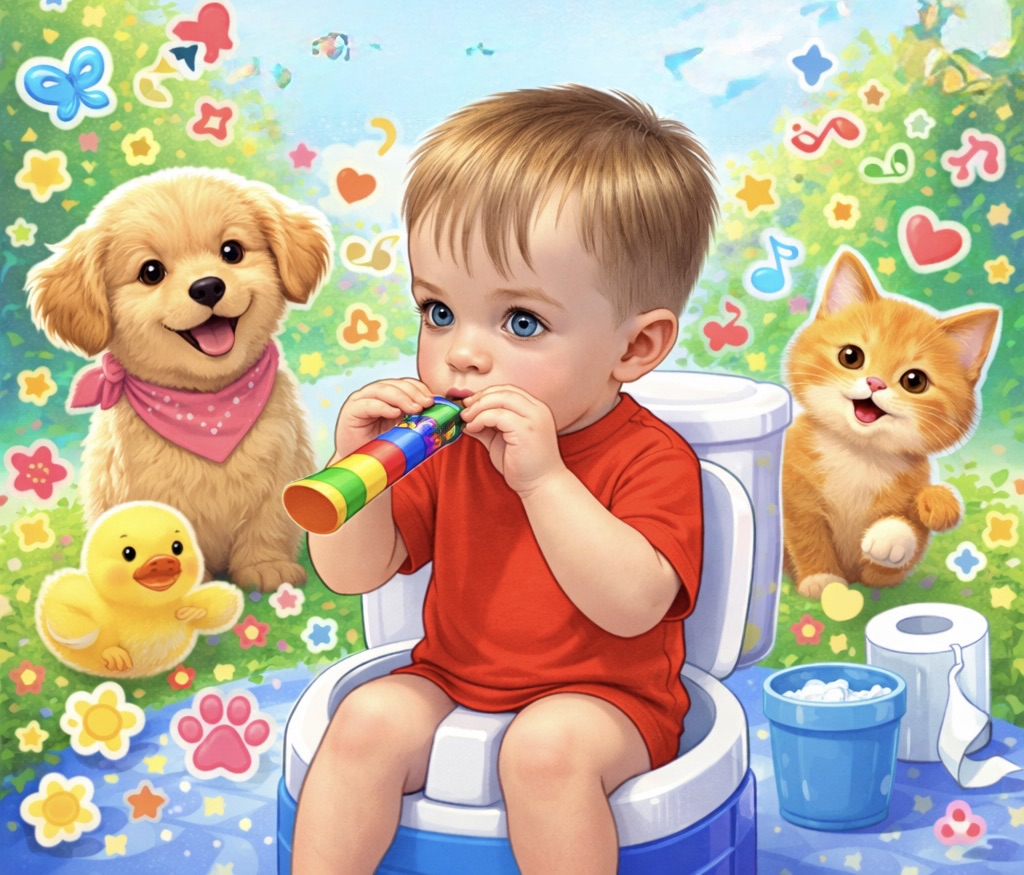
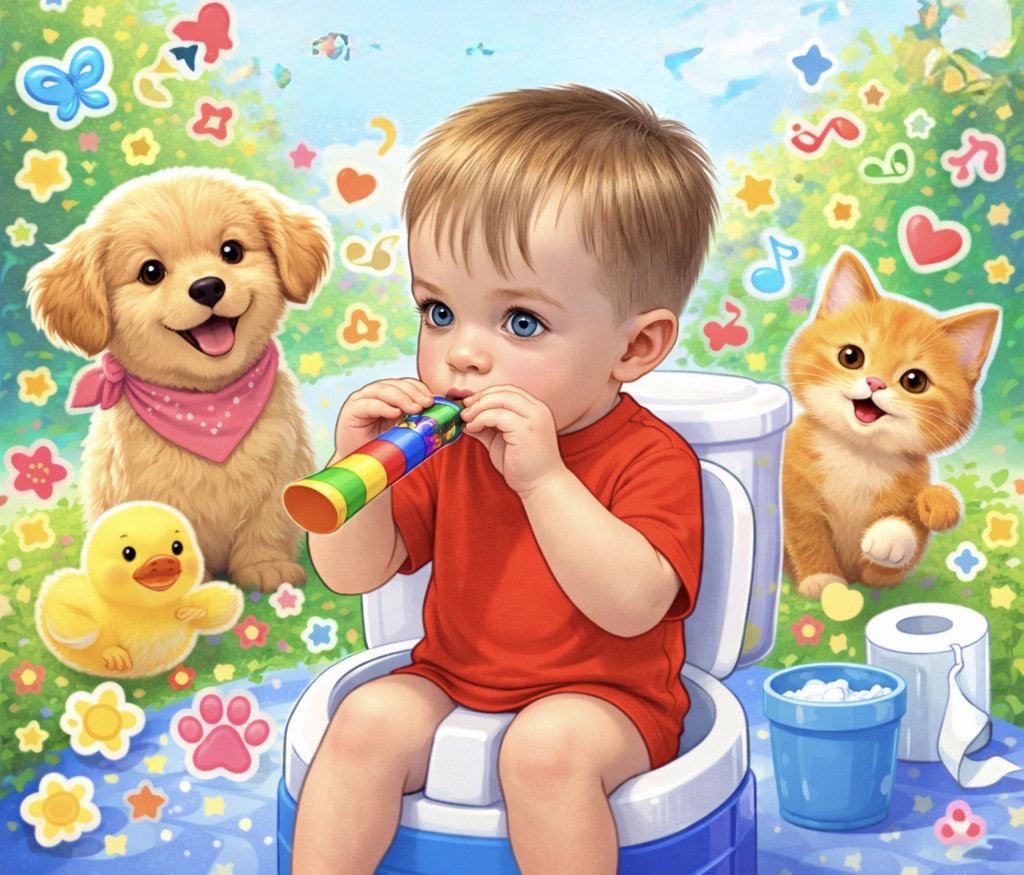
If your kiddo has holding control but has not figured out how to actually release yet, here is a weirdly magical trick. Have them blow through a straw, party noise makers 🥳 or a kazoo while sitting on the potty. It helps relax the muscles and makes letting go easier. I learned that one from Silly Miss Lilly and it surprisingly works.
If you want to lean all the way into it:
🎵 A Kazoo for when you’ve gotta go poo. 😂
👉 LovesTown Kazoos Musical Instruments, 6 PCS Metal Kazoos
And honestly, sturdy straw cups pull double duty here too. Great for hydration, which means more practice opportunities, and perfect for practicing blowing control while sitting:
👉 The First Years Take & Toss Toddler Straw Cups (20 Count)
Giving choices increases autonomy, which creates more cohesive energy in the moment. Letting them choose what to blow often shifts the vibe from pressure to play.
And then came the poop breakthrough. We got our first poop in the potty because we introduced a poop book. Desperate times call for poop literature. 🤪
If you’re in your own poop standoff season, this is the book that finally tipped the scales for us:
📘 We Poop on the Potty! – Funny Potty Training Book for Toddlers
• We avoid the word accident. No shame. No big reactions. Just, “Oh, it happens. When we have to go potty, stop and go right away.”
• Easy off clothes save everyone’s sanity. Bare bottom is even better if your nervous system can tolerate it.
• More fluids equals more practice opportunities. Yes, you will be tired of refilling cups. It is temporary.
• Celebrate trying and sitting, not just successful output. Courage counts.
• Do not camp on the potty. A couple minutes is plenty. Try again later.
• Night training usually comes much later and that is completely normal.
• I also started celebrating when I went. Full Broadway production. Standing ovation. Truly unhinged behavior. My son thought it was hilarious and suddenly wanted in on the party. 😂
Multi purpose win we didn’t expect, foaming hand soap in fun colors became our “puffy soap” reward for trying. Not a bribe, just playful sensory joy that kept the moment light and positive. 🤭
And on the inevitable messy days when bodies misjudge timing, it doubles beautifully for bath time resets too.
👉 Dove Kids Care Foaming Body Wash, Variety Pack (3 Pack)
Play keeps the nervous system open, which keeps learning possible.
Healing lives in the body, and sometimes the body needs a few good supports along the way.
A helpful tool in our house has been oversized washable underpads for floor play (magic carpet or messy picnic, because why not), under the toddler potty, couch protection, and general nervous system peace:
At home, some kids really take to a toilet seat that feels less intimidating and more familiar. These quick flip seats with built in potty inserts are great for that transitional moment:
👉 Quick Flip Toilet Seat with Built in Potty & Splash Guard (Elongated)
And it is healing in ways I did not know parenting could be.
One thing this season has really reminded me is that this is one of their very first true learning experiences. The way we guide them here becomes the blueprint for their inner voice later, how they handle mistakes, frustration, effort, and confidence. The more fun, positive, and encouraging we can make it now, the stronger that foundation will be for everything they learn next.
You are going to do great.
Mom to mom,
I was not ready for the emotional side effects. It felt like the last hoorah of babyhood. He was ready, but sometimes I was not. 💗
We don’t always notice the ways we create warmth until the world goes cold.
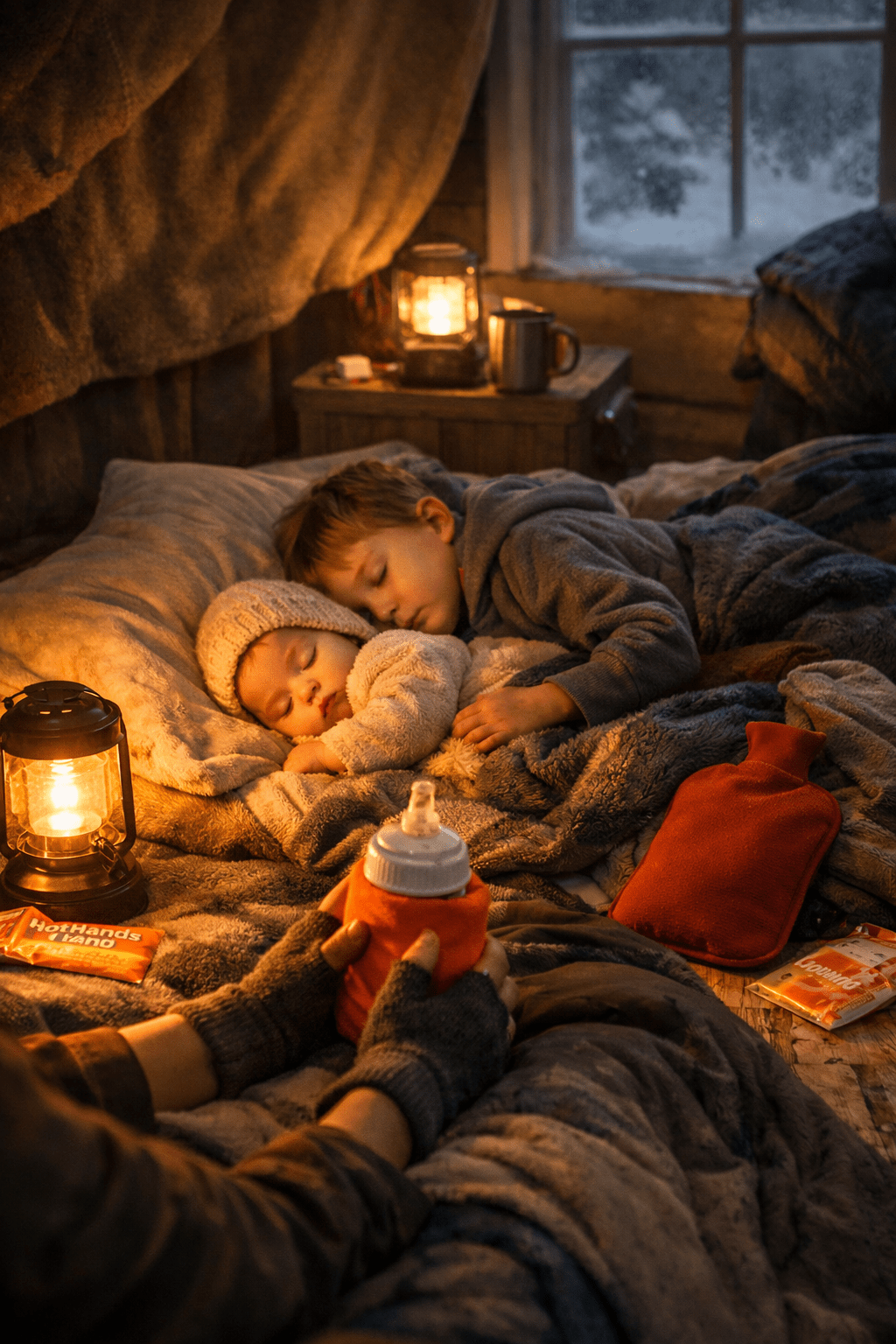
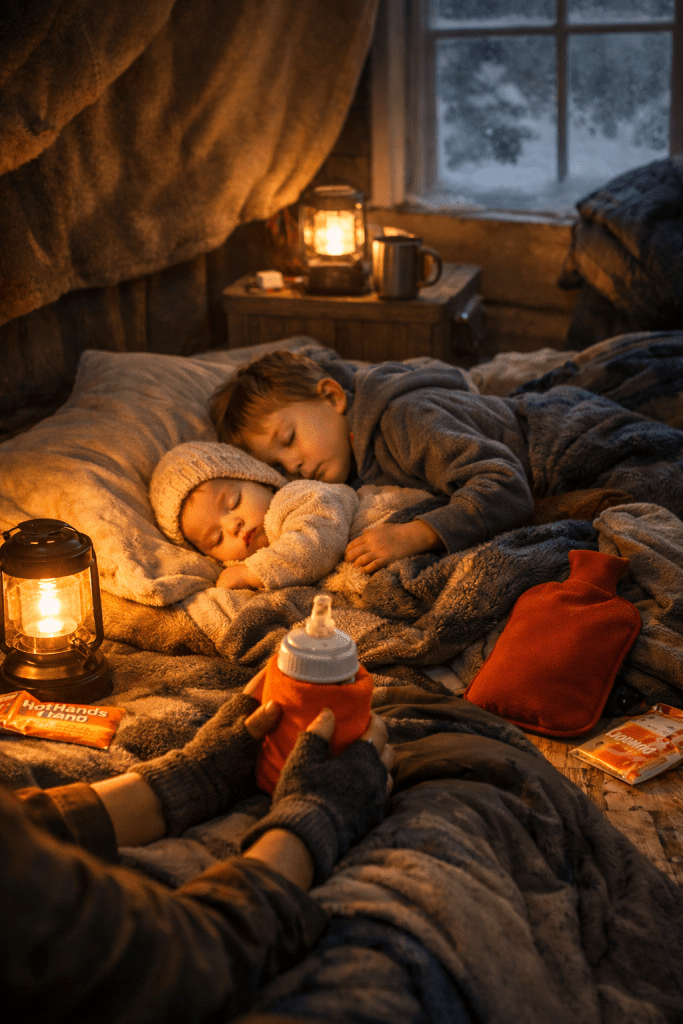
A winter storm, a fragile power grid, an all-electric house — suddenly preparation becomes visible. A warm room plan. Heat packs tucked into blankets. Bottles warmed by human hands instead of outlets. The house quietly holding its breath and its heat.
On the surface, it’s just weather readiness. Underneath it lives something older: memory, instinct, and the quiet intelligence of a nervous system that learned early how to keep people safe.
Since we’re all electric, we’ve got a cozy warm room plan, heat packs ready, and enough insulation to ride out a few days if needed. Worst case, once roads clear, we’ll head to Mom’s. The logistics are simple. The steadiness underneath them took a lifetime to build.
I grew up in foster care where statistics were shared early and often — numbers about instability, homelessness, and the odds stacked against kids like me. Somewhere along the way, preparedness became a form of safety. Knowing how to survive wasn’t fear-based. It was how you stayed okay in a world that could change without warning.
I never imagined that instinct would one day extend to preparing warmth for tiny bodies. Bottles wrapped in heat packs. Blankets layered just right. Listening for the quiet rhythms of breathing in the dark. The stakes feel different when you’re protecting more than just yourself.
There’s a strange tenderness in realizing how the past still shows up — not as something broken, but as something skilled. My nervous system remembers how to build margin. How to create backup plans. How to stay steady when conditions shift.
And also — I’m not that kid anymore.
I have a partner.
A safe home.
Family nearby.
Reliable transportation.
Community.
Resources.
Choices.
The preparation now comes from love, not fear.
“We’re warm in more ways than one.”
Sometimes I laugh at myself — the foster care homelessness training definitely kicks in during weather like this. But I also honor it. That younger version of me learned how to keep people safe with what little control she had. She grew into a woman who creates warmth, literally and figuratively.
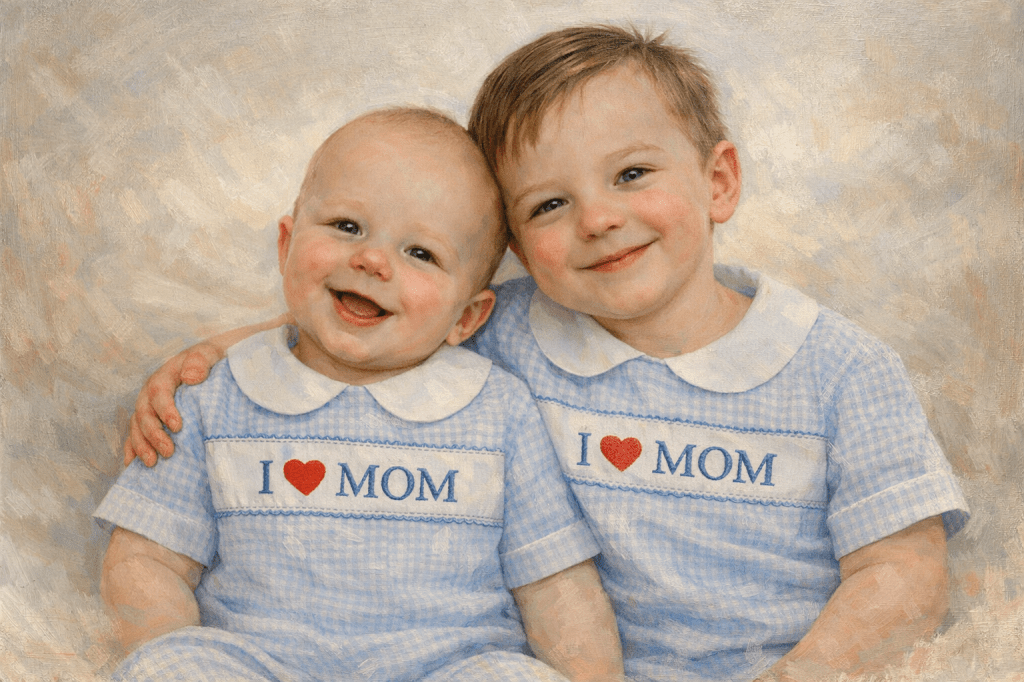
Image generated with AI to visually supplement personal writing.
Today my son was climbing on a box.
He had his legs hanging off the edge, completely capable of putting his feet on the ground.
He cried out, “HELP!”
We were all busy with other tasks in the house. I could hear it immediately, not a cry of danger but a bid for attention. A check in. Still, without thinking much in the moment, I called back,
“No, you can do it yourself. Put your feet down.”
He did.
Afterward, I made sure to catch his eyes. I smiled. I let him see that I had noticed him all along, that he mattered.
Then he came and joined me in the task I was doing.
Later, as parenting moments often do, it settled deeper.
Parenting has a way of revealing our relationship with Christ when we are not even looking for the lesson. This moment did that for me.
There have been so many times in my life when I cried out for help and felt like God did not hear me. Like my voice did not reach Him. Like the silence meant absence.
But maybe it was not unheard.
Maybe it just was not needed.
Not every help requires rescue. Some moments require footing. Growth. The confidence to realize our feet were always close enough to the ground.
And maybe, this is the part that softens me, God was watching the whole time. Discerning the difference between danger and development. Waiting for me to put my feet down.
And then, once I did, offering the reassurance.
I saw you. You mattered. You were never alone.
With that realization, I bring this reflection to God in prayer.
God,
You are faithful and wise.
You see what I cannot see and know when I need rescue and when I need growth.
You are present in every moment, attentive and loving, never distracted or distant.
Forgive me for the times I have mistaken silence for absence.
For the moments I have doubted Your care when You were strengthening my footing.
For assuming You did not hear me, when You were teaching me to stand.
Help me trust Your discernment.
Teach me to recognize when You are inviting me to step down on my own.
Give me courage to move forward even when I want to be carried,
and reassurance that Your eyes are always on me.
I yield my fear, my timing, and my need for immediate rescue to You.
I trust that You are good, that You are near, and that You are guiding every step, even the unsteady ones.
For as long as I can remember, I wondered what my life would become. Who I would be. Who would love me. What kind of family I would build.
I thought the answers would arrive loudly, like the future finally announcing itself.
They didn’t.
They arrived slowly. Through years of wondering. Through moments of loss and long stretches of hope held carefully.
And then, in the last hour, everything settled. With the birth of my second son at 39. Not early. Not easy. But right on time.
There were no fireworks. Just a small body placed against mine. A cry that quieted something deep and old inside me.
I didn’t know how heavy peace could feel until there was no more waiting left to do.
The dreams I carried for decades are no longer imagined. They are here. They breathe. They sleep. They call me by name.
As a new year approaches, I feel the old reflex rise. The urge to ask, Now what?
But my heart already knows.
Now I stay. Now I soften. Now I tend to what has been given to me.
I share my story gently, not to relive the hard parts, but in case someone else is still waiting. In case they need to know that time is not wasted and that arrival can be quiet and still be holy.
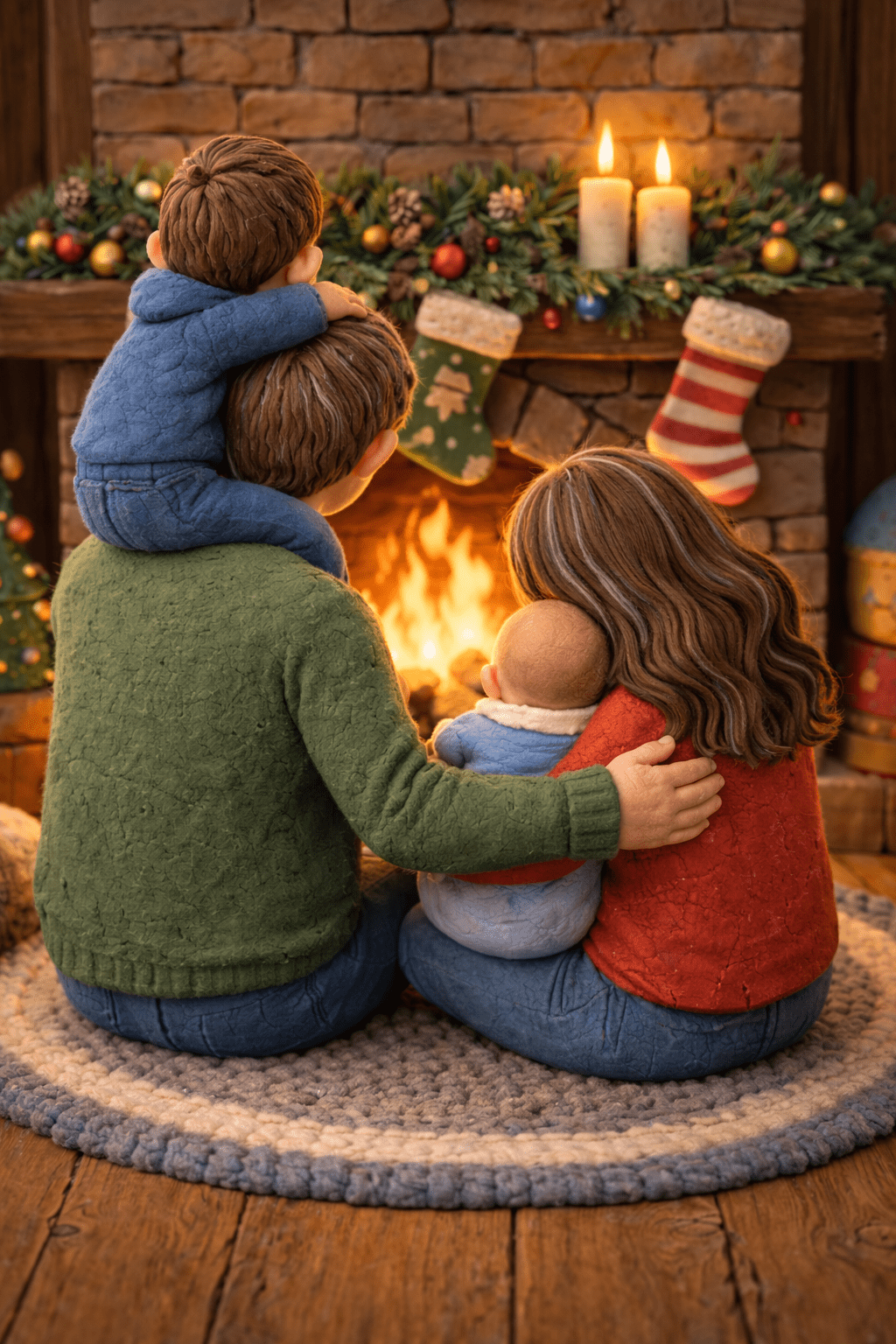
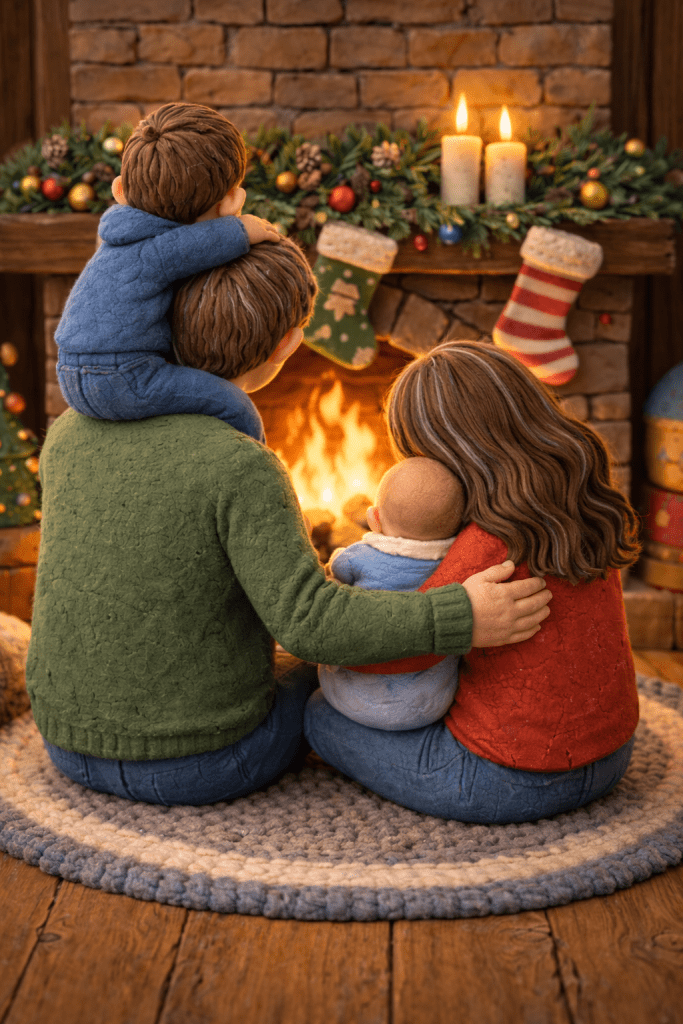
This is the year I stop chasing the fire. I sit beside it. Grateful. Surrendered. My family warm and whole around me.
Because loving my child sometimes means stepping back.
My son asked me to stay home with him for two days, and it absolutely broke me. 💔
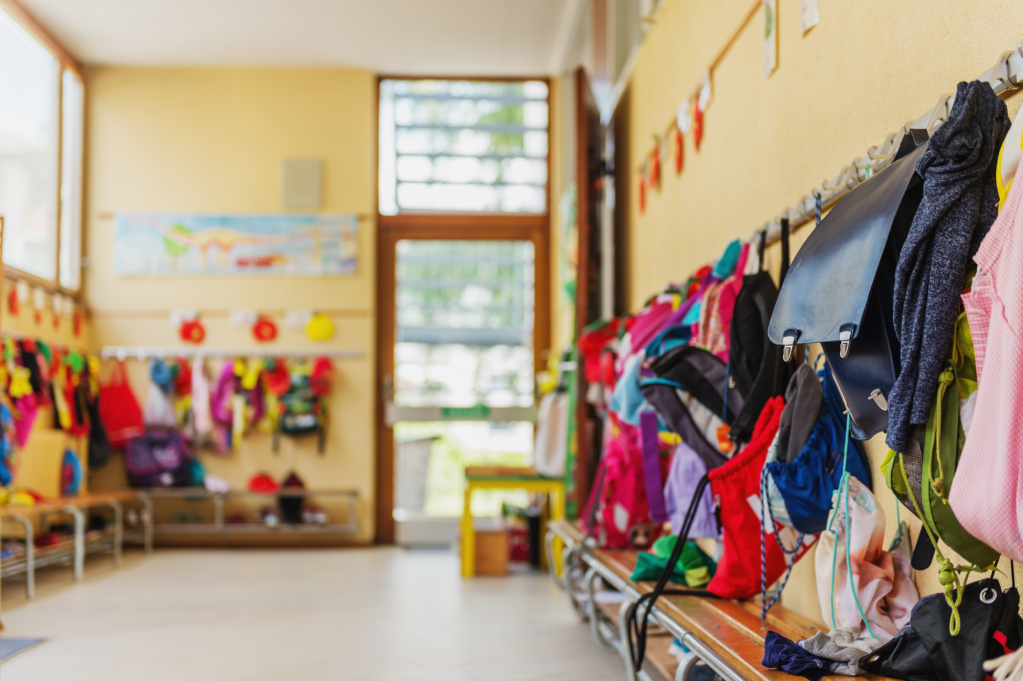
The truth is… I don’t always have to send him to daycare, but I do because I know my nervous system can’t hold the 24/7 without slipping back into the generational cycles I’m working so hard to break. I send him because it keeps me regulated enough to be a safe, steady mom not because I don’t want him with me.
I can show up in short bursts with my warmest smile and my best “Mom of the Year” self. But the long days? The nonstop toddler tests? The sensory overload and emotional landmines? That’s where my cracks show. That’s where I feel like I fall short.
And even with daycare support, I still feel like I’m failing.
But deep down, I know this: choosing what protects my capacity isn’t failure. It’s love. It’s responsibility. It’s cycle-breaking in real time, even when it looks messy, imperfect, or not like the mom I imagined I’d be.
I’m doing the best I can with the nervous system I have and my boys deserve that version of me far more than the one who’s drowning. The one pretending or hoping to be someone I’m not.
I hope I’m right… that this limitation is mostly the toddler season. Because I want the summers to come the Nerf wars, the arts and crafts, the little adventures. I want to immerse myself in their worlds.
Right now, though, I’m just holding on. I’m in survival mode.
And I’m sure the unknowing daycare workers mumble about him being there while I’m at home. I get it I was young and judgmental once, too. I used to think I knew what made a “good mom.”
But what I hope they someday realize is this:
Their presence matters more than they’ll ever know.
Their patience, their grit, their hard work the playing, the comforting, the routine diaper changes, the structure, the stability all of it is part of the generational chain-breaking I’m trying to do.
They aren’t “babysitting while I rest.”
They’re helping me raise a child in a way I never experienced growing up.
They’re giving him consistency while I build the capacity to show up for him better.
They’re part of the village I never had.
And that matters more than anyone on the outside could possibly understand.
And if my boys ever look back and wonder why I needed the help, I hope they see it clearly: I chose the village so I could choose them with the gentleness I was never given. That’s how our story changes. That’s how the cycle breaks not by doing it all, but by loving them enough to step back and let us both breathe.


 Finding Forty