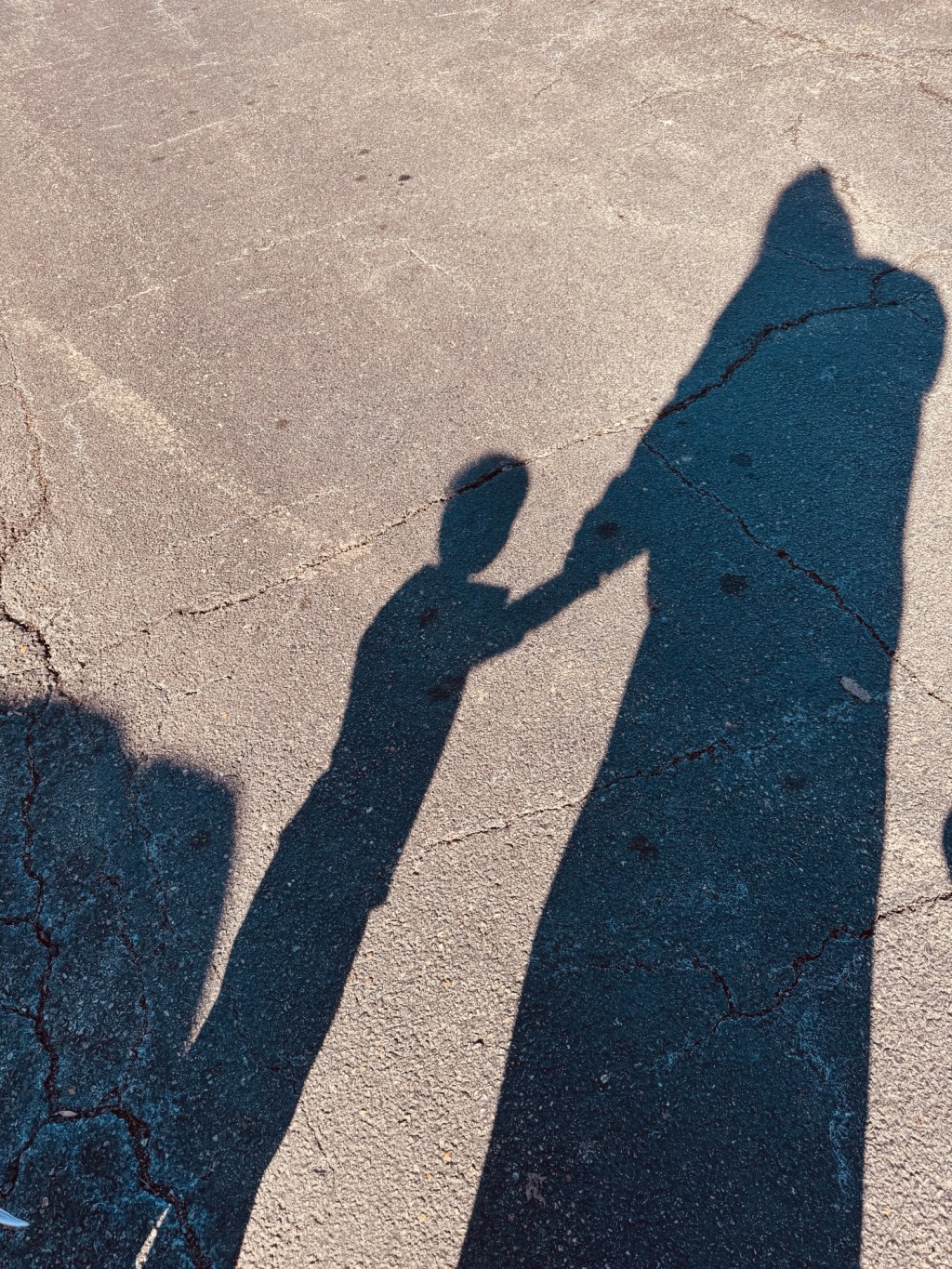
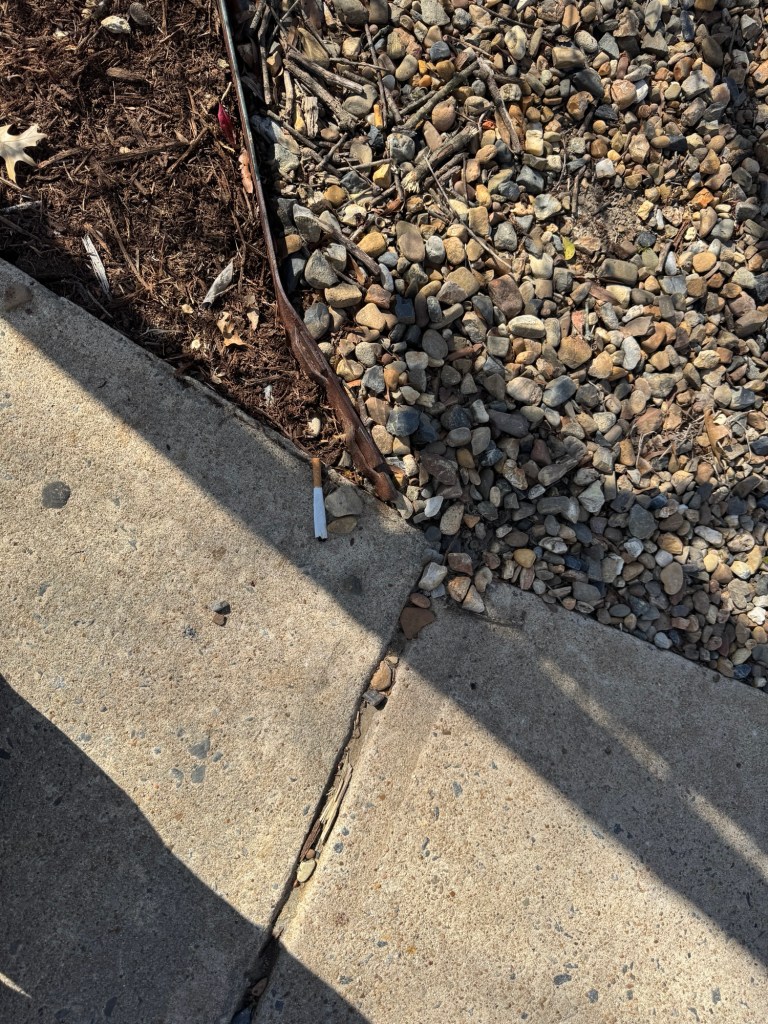
I saw a cigarette butt on the ground today. As I do many times in public….
Not just saw it—
locked onto it. As I do everytime.
The filter still clean.
The paper barely burned down.
A “good one.”
And before I could even think, my brain did what it was trained to do:
That’s going to waste.
⸻
It’s strange, the things your body remembers before your mind has a chance to catch up.
Because this isn’t about cigarettes.
It never was.
It’s about being taught—quietly, indirectly—that nothing could be wasted.
That value lived in what other people threw away.
That there were ways to make something out of almost nothing… if you just paid attention.
So we walked.
And I scanned the ground.
Not as a game.
Not as a quirky childhood memory.
But as something that felt… important.
Useful.
Like I was helping.
⸻
No one explained the full picture to me then.
No one said, “We’re doing this because addiction is expensive.”
No one said, “You’re being pulled into something you don’t have the language to understand.”
They just taught me what to look for.
And I learned.
Because that’s what children do—
they adapt to the world they’re given,
and they get very, very good at it.
⸻
What I didn’t know is that learning doesn’t stay contained to the moment.
It seeps.
It becomes instinct.
It lives in your eyes—
the way they scan without asking permission.
It lives in your thoughts—
the split-second calculations about usefulness, value, waste.
It lives in your nervous system—
the quiet sense that you should always be looking, always noticing, always making sure nothing is slipping through the cracks.
⸻
So now, years later, I can be standing in a completely different life—
a safe one, a stable one, a life I built on purpose—
and still feel that old wiring flicker on.
That’s usable.
That shouldn’t be wasted.
And almost immediately, another voice answers back:
We don’t need that anymore.
⸻
That moment—right there in between those two thoughts—
that’s where healing lives.
Not in pretending the first thought doesn’t happen.
But in recognizing it for what it is:
a learned response from a version of me who was doing the best she could in an environment that asked her to grow up too fast.
⸻
There’s grief in that.
Grief for the child who didn’t get to just walk.
Who didn’t get to look at the world without scanning it for survival.
Grief for the normalization of things that should have never been normal.
Because let’s say it plainly:
Children are not supposed to be taught to search for cigarette butts.
They’re supposed to be looking at bugs on the sidewalk.
Cracks in the pavement.
Cloud shapes.
Anything but this.
⸻
And yet—
there’s also something else here.
Something complicated.
Because that child learned to notice.
She learned to read a room.
To find value where others didn’t.
To stay alert.
To contribute in the only ways she knew how.
Those skills didn’t disappear.
They just had to be… reclaimed.
Refined.
Redirected.
⸻
Now, I still notice things other people don’t.
But instead of scanning for survival,
I notice my children’s faces.
The way they reach for me without hesitation.
The way they trust that their needs will be met without them having to search the ground for it.
And that difference—
that quiet, almost invisible shift—
is the kind of generational change you can’t always photograph.
But you can feel it.
⸻
I didn’t pick up the cigarette.
I didn’t need to.
I just stood there for a second, noticing the thought,
and then letting it pass.
And maybe that doesn’t sound like much.
But when you come from a place where your instincts were built around survival—
choosing not to act on them
is a kind of freedom that’s hard to explain.
⸻
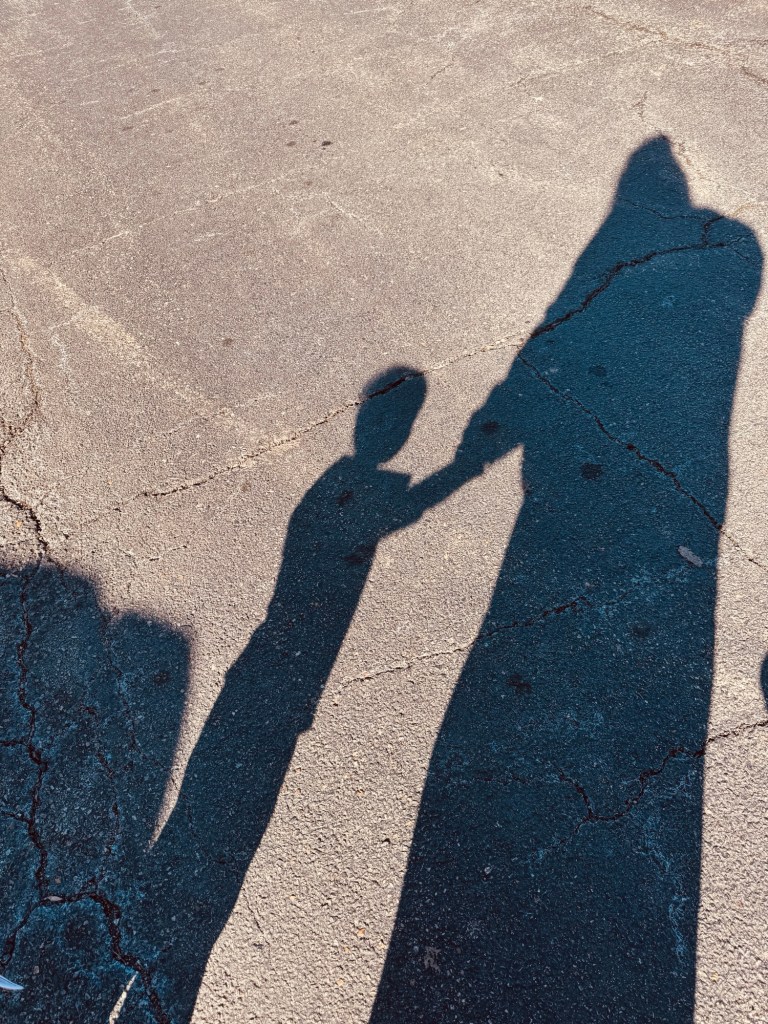
My children will walk beside me, not because they’re looking for something we need—
but because they just want to be close.
And that alone tells me everything has changed.
 Finding Forty
Leave a comment